




What is tea?
Ever wondered what tea is, where tea comes from, or how Britain fell in love with it?
Well, you’re in the right place! Join us for a comfy stroll through the world of tea — from the leaf it originates with (Camellia Sinensis, if we’re being proper) to its history in ancient China.
We’ll cover how and where tea is grown, the differences between types of tea and what happens after those leaves are picked. Plus, why blending is so important.
So, whether your brew of choice is Yorkshire Tea Original or Yorkshire Gold (or something weird and wonderful like Biscuit Brew), it’s time to pop the kettle on and have a nice sit down.
This is the story of tea.
Where does tea come from?
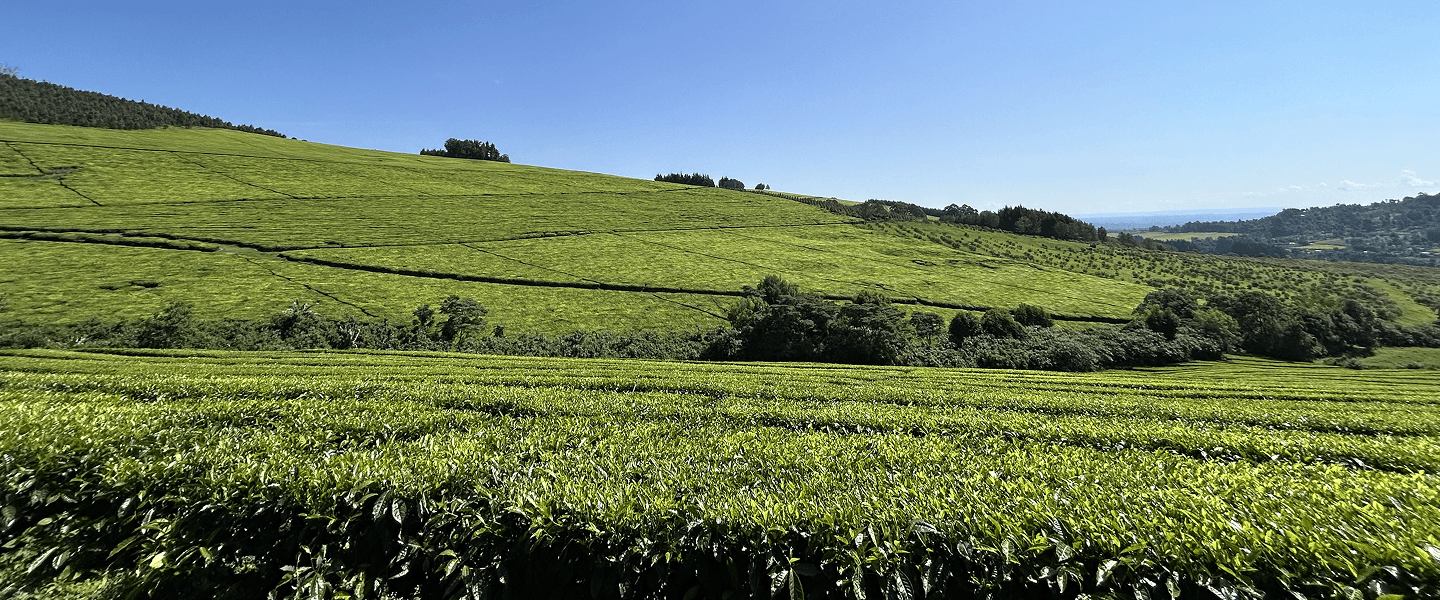
All tea comes from one type of bush, called Camellia Sinensis. It can grow wherever the climate is right, but the tea we’re interested in is mainly grown in East Africa, and Assam in India.
These vibrant green leafy bushes can live for 50 years or more. They can grow pretty tall in the wild, but cultivated tea is typically pruned to waist height to make harvesting easier.
Soil, climate, and rainfall all affect the quality and flavour, as does what happens to the leaves after they’re picked. A process called oxidation turns the leaves from the lightest white tea to fresh-tasting green, then to nuanced oolong and then finally to more strongly flavoured black tea.
Where does tea grow?
Tea is native to China and India – but now it’s grown in more than 60 countries, like Kenya, Rwanda, Sri Lanka, Japan and even in small amounts in the UK.
While it’s all from the same plant, there are 1,500 different slight variations (‘cultivars’) of that plant, and lots of variety in the way they taste. The growing conditions have an impact on the flavour too. How high the garden sits above sea level, the types of minerals in the soil, how warm it is, how windy it is… they all affect what you’ll taste when you brew it.
How is tea made?
Tea is harvested by picking the top two leaves and a bud from the tip of a stalk. It’s generally done by hand, though machines are used in some parts of the world.
What happens next depends on the style of tea that’s being made. For green teas, the leaves are quickly heated to stop them oxidising. For other teas, the leaves are left to wither for up to 24 hours to reduce moisture content, before they’re twisted or rolled – a process called Cut Tear Curl. This releases the oils inside them. Next, the leaves are exposed to air (‘oxidised’) to darken and develop flavour. The longer they’re left, the darker the leaves, with black teas like Yorkshire Tea being the most oxidised of all.
Lastly, the leaves are heated to dry them out and lock the flavour in – making sure your tea tastes fantastic when you brew it at home.
Why is tea blended?
Blending is basically a recipe. By combining different teas together in various proportions – like you’d combine ingredients when cooking – you take their individual flavours and build something new. A great blend has a taste profile that’s uniquely its own, and often it’s more complex than a single tea from a single origin.
What’s really important though, is that it’s consistent. Like any harvested plant, tea isn’t completely predictable – and sometimes something changes (like the weather), which may make it taste different from one year to the next. Blending means you can account for variations in individual teas, adjusting the overall recipe to make sure the final taste profile tastes just like it did last year.
That’s how Yorkshire Tea has tasted like Yorkshire Tea since 1977. Individual bits of the blend have changed over the years, to make sure that familiar final taste doesn’t.
Tea history in a nutshell
Tea originates in China
The legend goes that in 2737 BC, some tea leaves blew into the water that a Chinese Emperor was boiling. True or not, tea drinking certainly began in China, dating back to at least 200 BC.
Europe gets a taste
Tea started catching on in the 16th century, among Portuguese traders returning from the East. The Dutch turned it into a commercial trade.
Britain falls in love
When Charles II married Portuguese princess Catherine of Braganza, her love of tea made it fashionable in Britain. The East India Company’s first import was in 1664.
The tea tax
Politicians capitalised on tea's popularity by setting sky-high tea taxes. Smuggling (and low-quality, dodgy brews) ensued, until reforms in 1784 made tea affordable and all that funny business came to an end.
Health concerns
Not knowing its huge health benefits, snooty types thought tea would make workers “weak and melancholy”. But they changed their tune, especially when it caught on as an alternative to alcohol.
Taylors is born
In 1886, Charles Taylor started importing and blending tea in Harrogate (sorry, we had to include that one).
The tea bag arrives
In the early 20th century, the tea bag was invented – in America, of all places! But they didn’t really get big until the UK fell head over heels for them in the 1970s. That’s when Yorkshire Tea came along (what a coincidence).

