




What is Assam Tea and Where Does It Come From?
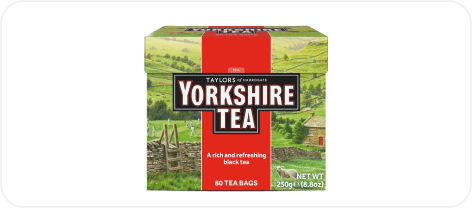
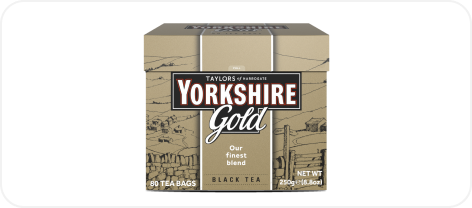
Assam is an essential part of almost all of the teas we make – like the Yorkshire Tea Original and Yorkshire Gold blends. But just what is Assam tea, what does it taste like and what makes it so special?
With the help of Suzy Garraghan from our tea buying team, we’ve got all the info below. Here you can find out everything you want to know about a remarkable tea with a flavour unlike anything else.
What is Assam tea?
All tea comes from the same plant – the Camellia Sinensis bush (find out all about that here). In Assam, where the soil is incredibly fertile and rich with nutrients, the leaves on those tea bushes can develop a powerful, malty flavour that no other origin can quite match.
Suzy said: “The region of Assam lies in the north-eastern corner of India, bordering Burma and Bhutan. It’s the route through which the great Brahmaputra River flows down to the Bay of Bengal – and dotted on either side of the river are tea estates that produce amazing-tasting tea.
“Tea bushes in Assam lie dormant over winter, producing no new leaves and tips to process into tea. As springtime sets in, the bushes reawaken, and new tea leaves are plucked and processed into ‘first flush’ tea.”
That first flush tea has a lighter, more floral taste. It’s lovely, but it’s not the rich, full and malty flavour that we’re after for the Yorkshire Tea blends. For that, we need the second flush.
Suzy added: “After those initial leaves are plucked, the bushes then take a few weeks to recoup, gathering energy and nutrients from the soil ready to produce the ‘second flush’ new leaves. Tea produced from this period is simply unique and generates unrivalled flavour and character in the tea.”
What does it taste like?
Whether you drink it as loose leaf or in tea bags, Assam tea makes a classic, strong brew. It’s also fantastic in blends, giving them a powerful, malty punch and adding richness.
Suzy explained: “Assam is a crucial part of our blend at Yorkshire Tea, adding strength and body. Rich, malty and deeply flavoured, it’s important not only for Yorkshire Tea, but as a tea in its own right, great at breakfast time or any time of day when you need a full tasting cup with good strength.
“Many top producers in Assam use traditional methods. Though not the most state of the art, they produce amazing character in the tea.”
That traditional approach, which involves a huge amount of attention to detail, is another reason why Assam tea is so good – perfect for giving Yorkshire Tea and Yorkshire Gold some strong, malty character.
How is Assam tea produced?
Over to Suzy: “The science of tea processing is the same around the world – the leaf needs to be withered, oxidised and dried. But the processing of the leaf in Assam is also unique, because it’s quite bespoke and requires much attention to detail.
“Each factory has a chief tea maker, known as the Head Tea House, and many have been making tea for 20 to 30 years. As the season sets in, they apply their expertise on a daily basis, adjusting withering or oxidation times according to the climate and the state of the green leaf – not just of that particular day, but for each particular hour!”
It’s a process that relies on a wealth of time, attention and experience, and it’s why Assam tea is so prized. We’re proud to say that we’re able to work with some of the best of those producers.
As Suzy put it: “We have special relationships with some of the very best gardens in Assam. And arguably the world.”
Continuing your tea world tour
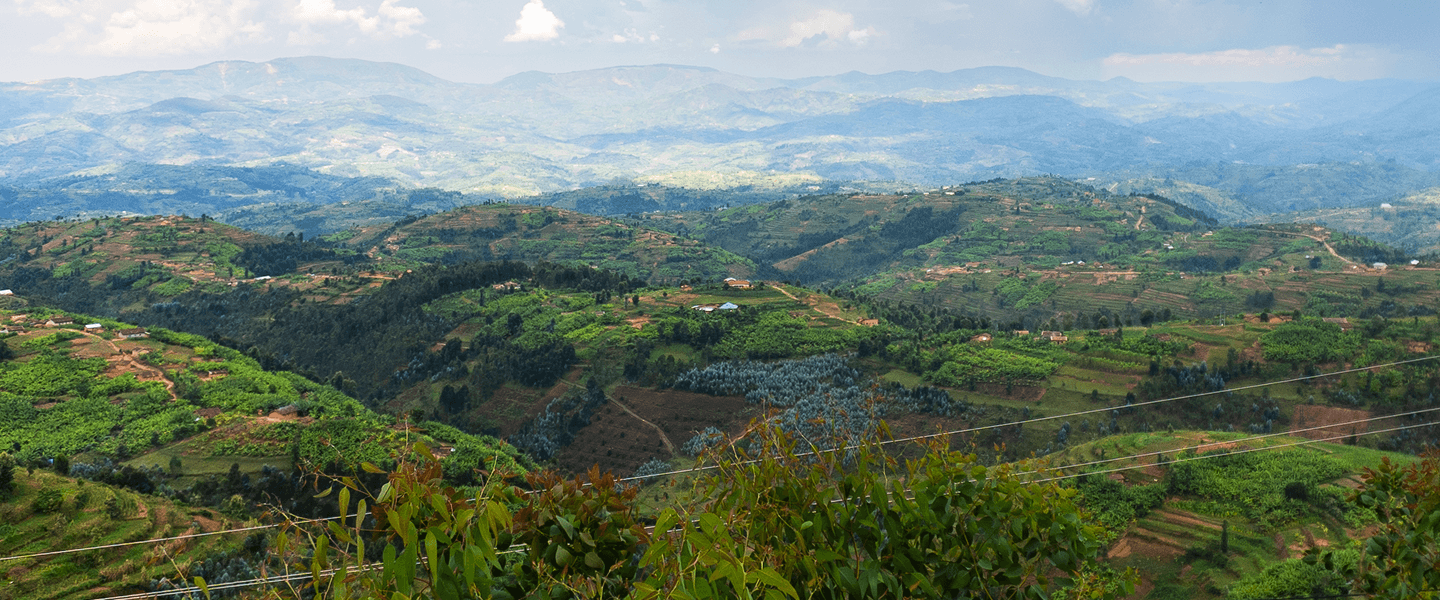
So that’s Assam – a central part of our recipe. But of course, it’s not the only part, and the others are just as important. Like tea from Kenya, which adds a brisk and lively character. And tea from Rwanda, with a uniquely moreish character and a lovely golden glow. Together, in just the right proportions, they help to give the Yorkshire Tea blend the flavour you know and love.

