



What is Decaf Tea?
Decaf tea is a thing of beauty. It means people who love tea can still drink it when they don’t need or want the energising qualities of caffeine.
And who are those people? Well, they might have been told by the doctor to lay off the caff. They might be pregnant. They might be winding down the caffeine in the afternoon. They might be about to go to bed and fancy a lovely, relaxing brew without worrying about it keeping them awake.
Of course, there are plenty of options for hot drinks that are naturally caffeine free, like fruit and herbal teas. But sometimes you just really want a good brew, so decaf black tea is what we’ll be banging on about here. Plus, we’ll share with you how tea is decaffeinated, including the method we use, and why.
How is decaf tea made?
There are a few different ways to remove caffeine from tea. They all involve one ingredient or another that acts as a solvent and removes the caffeine molecules from the leaves. You might be surprised to learn that they all leave a tiny trace of caffeine behind.
One way to do it is to heat tea leaves under pressure with carbon dioxide (CO2). The hot gas becomes a solvent and extracts the caffeine, but the heating can impact the tea’s flavour.
There’s also water decaffeination, which simply involves soaking the leaves in hot water then removing caffeine with a carbon filter. But that takes out tons of flavour, so it’s mostly used for coffee, which seems to respond better to this approach.
Otherwise, you can soak the leaves in chemical solvent. One that’s sometimes used is called ethyl acetate – and because it’s a chemical that naturally occurs in tea leaves, some people call this “naturally decaffeinated”. It works, but we’ve found it does strip out some of the tea’s flavour.
That’s why we use a different solvent called methylene chloride, which does the same job without harming the flavour. It’s also used in brewing, and as part of the outer coating on various pills and tablets. Anyway, here’s how it works.
Picking and oxidation
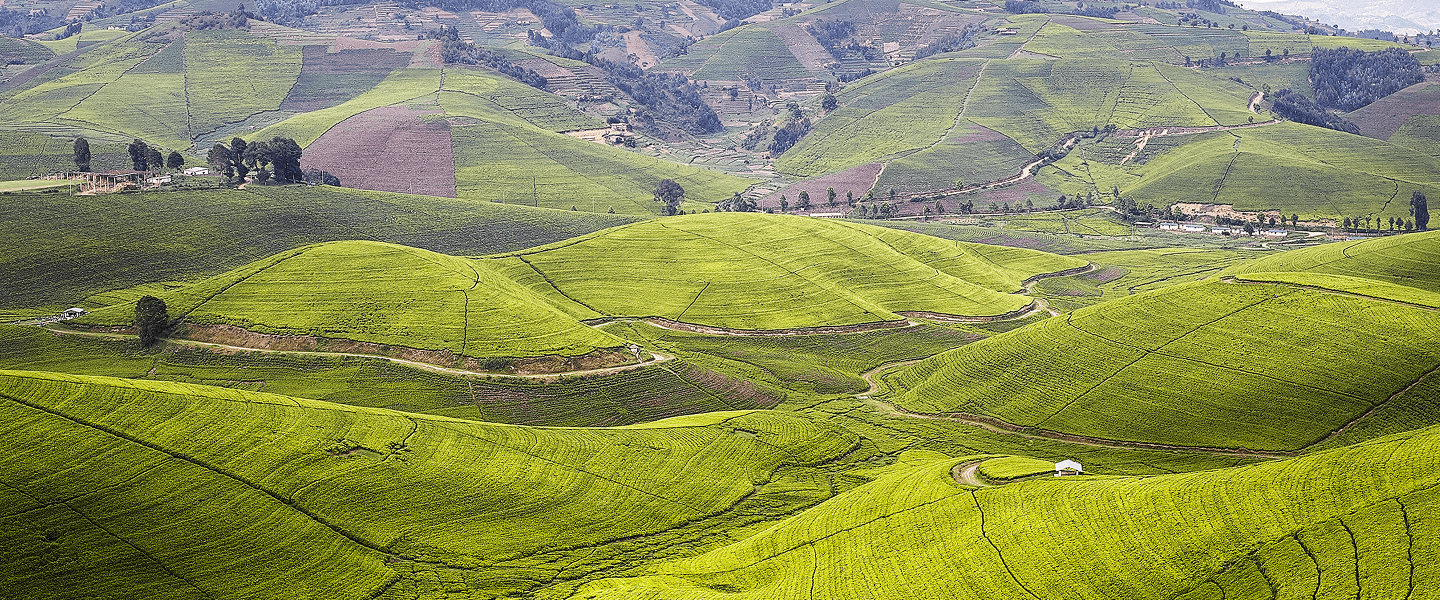
The tea leaves are picked and oxidised (tuning from green to black) in the places where they’re grown, in East Africa, before heading to the UK.
Soaking
Here in the UK, the leaves are given a soak in methylene chloride, which brilliantly bonds to the caffeine molecules without removing the important flavour compounds.
Blending
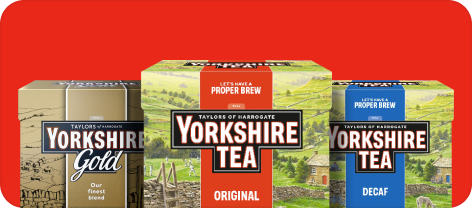
The tea leaves are then blended together at Yorkshire Tea HQ, to our specific decaf recipe – before getting popped into tea bags and heading out to the shelves.
Brewing
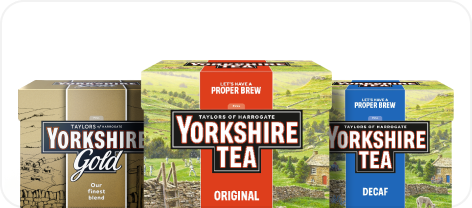
At home, your brewed cup of Yorkshire Tea Decaf will contain between 1.5mg and 2mg of caffeine (per 200ml cup) compared to Yorkshire Tea Original, which contains about 48mg.
What does decaf tea taste like?
When we created Yorkshire Tea Decaf, the most important thing was that it tasted good.
We’d tasted many a dodgy decaf over the years, and we wanted a proper cup of tea that really hit the spot and didn’t feel like a compromise.
So, we chose the right method (as we’ve mentioned above), but we also needed to tailor the blend. It turned out that quite a few of the teas in our Yorkshire Tea Original blend just don’t handle the decaffeination process all that well, because they lose a little too much flavour.
However, one part of it decaffeinates superbly, and that’s our Kenyan tea. With that in mind, we created a specific blend of Kenyan teas that stand up to decaffeination without losing flavour. We then put a lot of work into re-tasting and tweaking it rigorously after decaffeination.
And that’s the story of how we created a bespoke decaf blend that completely hits the spot. You don’t need to do anything special to brew it at its best – just make a cup of tea like you normally would, and enjoy!
Decaf tea FAQs
Do you put milk in decaf tea?
Decaf tea works just like regular tea, so add milk and other extras (or don’t) as you normally would.

